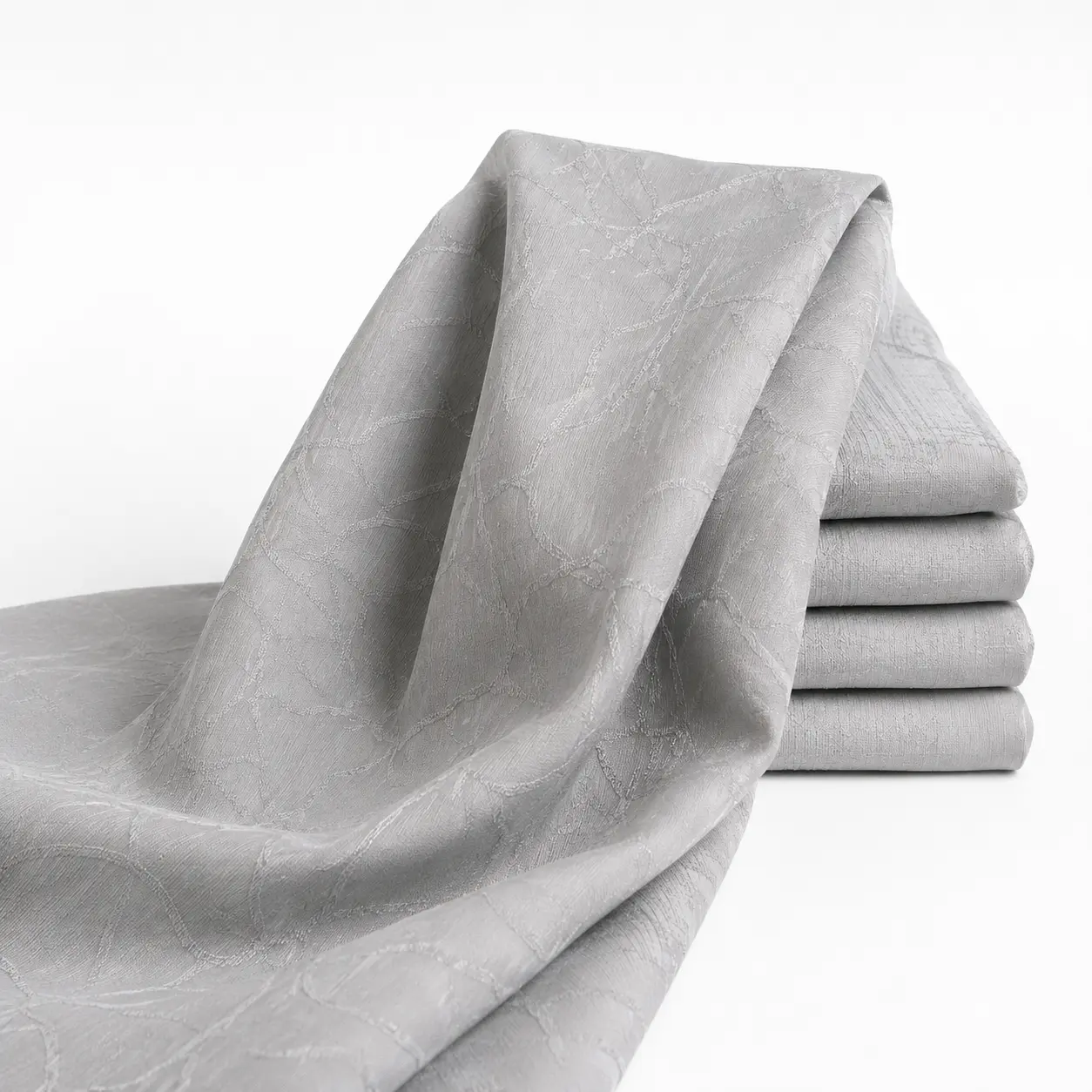
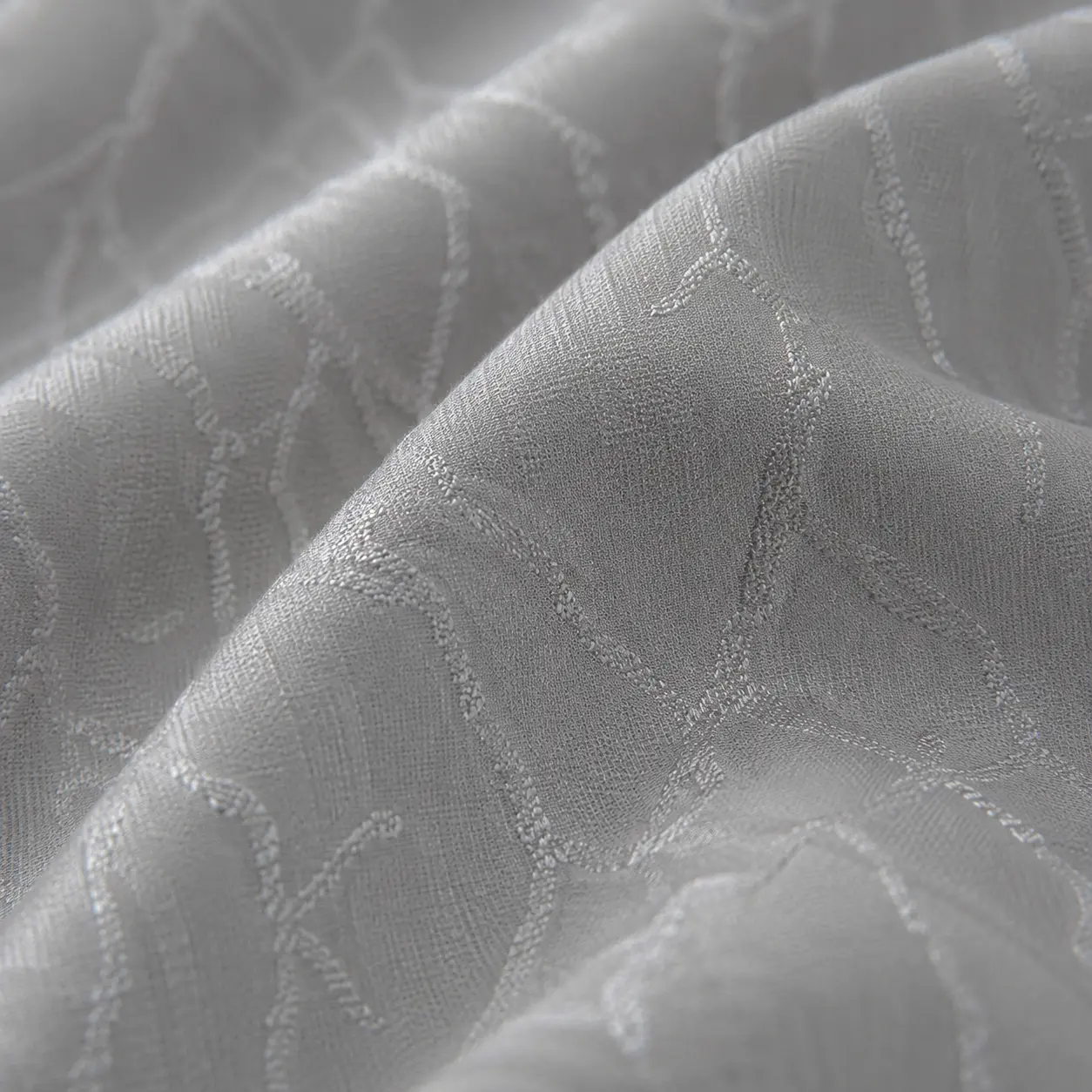
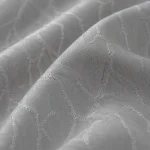
Zigma Jacquard Apparel Fabric is introduced as a family of patterned fabrics used for clothing production. The pattern is created during the weaving process and becomes part of the fabric structure itself, rather than being applied afterward through surface printing, engraving, or embroidery. This method of pattern formation creates a distinctive woven appearance and surface texture.
The current product description also refers to higher resistance compared with some other fabric types; however, no independent test results or numerical performance indicators are provided in the available specifications.
The product surface weight range is 150 to 400 g/m², and the linear weight range is 200 to 600 g. This wide range indicates that fabric selection should be based on the required code, design, and GSM of the project, as fabric behavior in cutting, drape, structure, and sewing may vary across different weights.
The final fabric width is 150 cm, and the weight tolerance is specified as ±3%. In the warp and weft composition section, polyester, viscose, and cotton are mentioned; however, the exact fiber percentages and the share of each fiber in warp or weft are not specified.
In the physical characteristics table, the options drapable, puffy, soft, matte, rough, heavy, thick, non-stretch, structured, and smooth are selected. Some of these descriptions, such as soft and rough or drapable and structured, may create different experiences depending on the design and GSM. The current page does not specify which characteristics belong to each code or color. Therefore, for production orders, reviewing the actual sample and conducting sample sewing before finalizing the production quantity is recommended.
Light fastness is recorded as 7, and washing and staining fastness is recorded as 4 to 5. The edge type is listed as frayed edge, and the packaging type is single U. The packaging length is displayed as 100 | 40, but the interpretation of these two values is not explained in the product information.
This product is suitable for apparel projects that require woven patterns, a defined width, and the ability to select from different GSM ranges. The final application should be determined based on the actual sample, design, weight, drape, and fabric response during sewing.
Key Features
The characteristics of this fabric make it suitable for projects where both the woven Jacquard appearance and garment structure control are important. The variety of GSM options combined with the listed fastness properties allows more accurate selection for different apparel applications. Reviewing each product code sample before bulk ordering is recommended to ensure consistency between appearance, hand feel, and the intended design.
- Jacquard pattern created during weaving, without relying on surface printing or embroidery.
- Available in a surface weight range of 150 to 400 g/m².
- Final fabric width: 150 cm.
- Weight tolerance: ±3%.
- Non-stretch.
- Matte.
- Smooth.
- Soft.
- Rough.
- Puffy.
- Drapable.
- Structured.
- Thick.
- Heavy.
- Frayed edge.
- Light fastness: Grade 7.
- Washing and staining fastness: Grade 4 to 5.
Suggested Applications
Structured Garments
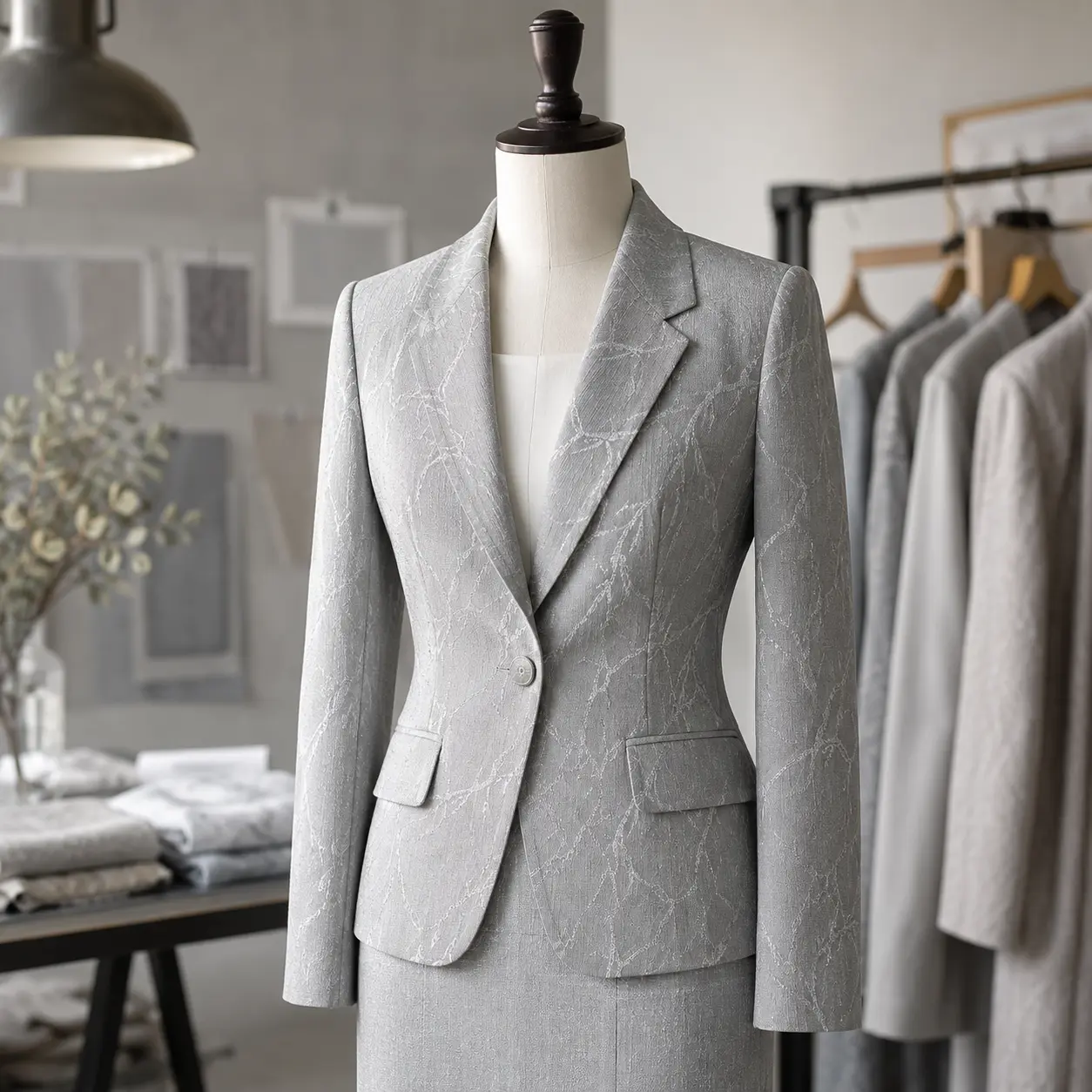
Codes with medium and higher GSM ranges, considering their non-stretch, structured, heavy, and thick characteristics, are more suitable for evaluation in structured garments such as coats, jackets, vests, and skirts. Final selection depends on sample sewing and reviewing the drape of each code.
Semi-Structured Garments
Samples within the middle GSM range can be considered for designs requiring woven texture and defined form. However, the final structure should not be determined solely based on the product name or image.
Lightweight Jacquard Designs
Codes near the lower limit of the 150 g/m² range may be considered for lighter garments. This application depends on checking actual thickness, drape, surface roughness, and sample sewing results.
Decorative Garment Panels and Details
Due to the pattern being created within the weave structure, this fabric can be considered for front panels, collars, cuffs, pockets, or combination garment parts, especially in projects where woven patterns are part of the design concept.
Custom Production for Brands and Boutiques
The visible pattern variety and wide GSM range allow this product to be evaluated for different collections. For B2B orders, the color code, exact fiber composition, selected GSM, package length, and minimum order quantity should be confirmed before purchasing.
Advantages of Using Jacquard Apparel Fabric
Jacquard Apparel Fabric allows designers and manufacturers to create visual garment identity directly through the woven structure, without depending on printing or surface decorations. This feature creates technical and design value for collections requiring distinctive appearance, better coordination between pattern and garment form, and versatility across different styles.
Selecting the appropriate sample according to the project also helps achieve better control over the final result in cutting, sewing, and garment shaping.
- The fabric pattern is created during weaving and does not depend on surface printing or embroidery.
- The 150 to 400 g/m² GSM range allows selecting samples according to the required garment structure.
- The 150 cm final width provides clear data for pattern planning and cutting marker preparation.
- The recorded non-stretch property can be considered for projects requiring dimensional control.
- Light fastness and washing and staining fastness are numerically specified.
- Sample request availability allows evaluation of surface, color, thickness, and sewing behavior before bulk ordering.
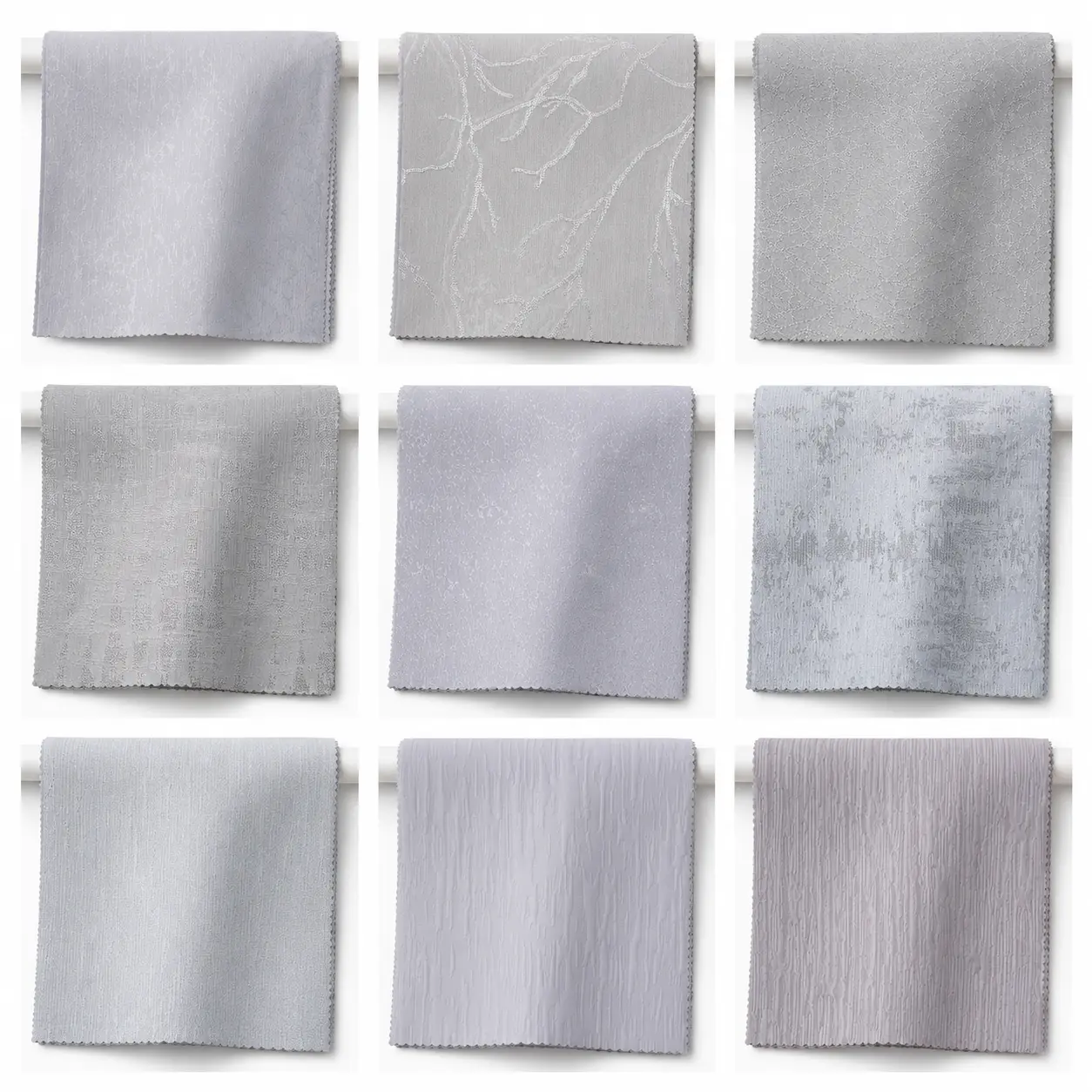
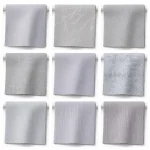
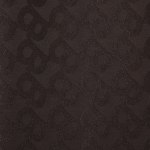
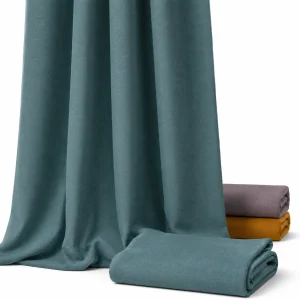
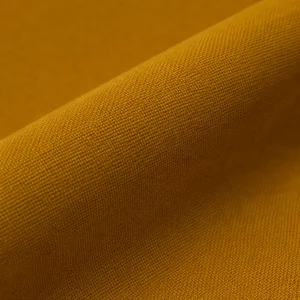
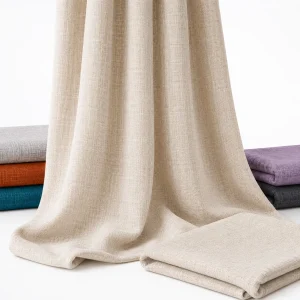
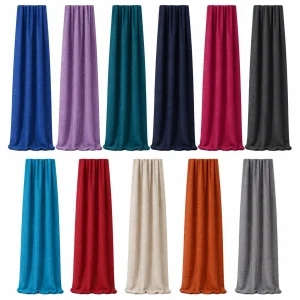
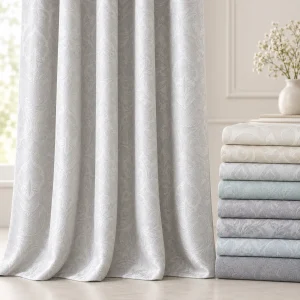
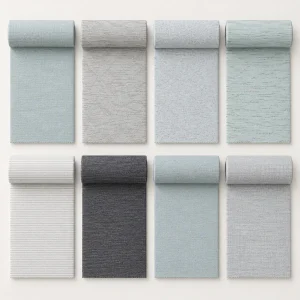
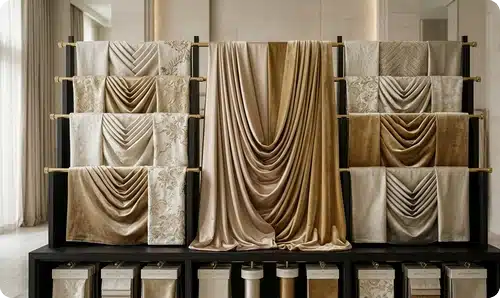
- The gallery variety indicates multiple designs or colors, although official names and codes are not provided.
Selection Guide
Selecting the right fabric should be based on the final product type, design structure, production conditions, and the expected garment appearance. Before placing an order, match the selected product specifications with project requirements and include coordination with the sales team and sample approval in the decision process for production orders.
Selection Based on GSM
For more structured garments, first evaluate codes within the middle or higher GSM range. For styles requiring more drape, lighter samples should be tested separately. The 150 to 400 g/m² range is broad enough that a single performance profile cannot be assigned to all samples.
Fiber Composition Review
Polyester, viscose, and cotton are listed in the table; however, the exact fiber percentages and the separation between warp and weft are not specified. Before ordering, the technical data sheet of the selected code and the exact percentage of each fiber should be obtained.
Hand Feel and Performance Evaluation
Due to the simultaneous selection of characteristics such as soft and rough, choosing the fabric based only on the specification table is not recommended. The sample should be evaluated in terms of touch, skin contact, drape, recovery, and structural behavior.
Sample Testing in Production Line
Before mass production, a cutting and sewing sample should be prepared to evaluate fabric behavior at seams, edges, during ironing, needle penetration, and pattern matching.
Packaging Information Confirmation
The packaging length is displayed as “100 | 40” on the product page. Before purchasing, it should be confirmed whether these numbers refer to different packaging options, the number of rolls, or the net length.
Color and Design Confirmation
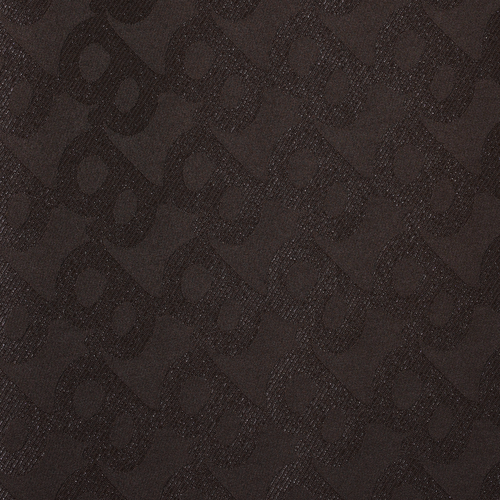
Official color names and codes are not provided in the images. For repeat orders, the color code, design code, and approved reference sample should be recorded.
Care Instructions
Specific care instructions for this product have not been provided in the available information. The following points are general textile industry recommendations and should not replace the technical instructions for the final product code or laboratory test results:
- Before defining the washing instructions for the final garment, the selected fabric sample should be washed and evaluated for dimensional changes, color stability, and hand feel.
- Until the exact fiber percentages are confirmed, avoid strong mechanical processes and use mild detergents.
- Chlorine bleach should only be used after confirming compatibility with the selected fabric code.
- To protect the woven pattern, ironing should be performed from the reverse side using a protective cloth.
- The ironing temperature should be determined after receiving the exact fiber composition.
- Avoid prolonged contact between the fabric and rough surfaces or sharp-edged equipment during storage and cutting processes.
- Final garment care instructions should be prepared based on sewn sample testing and the requirements of the target market.
Frequently Asked Questions
What GSM and width is Jacquard Apparel Fabric available in?
This fabric is supplied with a final width of 150 cm and a GSM range of 150 to 400 g/m². Selecting the appropriate GSM depends on the garment type and the required level of structure.
Is the Jacquard pattern printed or woven into the fabric?
The pattern is created during the weaving process and is not surface printing or embroidery. Therefore, the design is considered part of the fabric structure.
What is the fiber composition of Jacquard Apparel Fabric?
Polyester, viscose, and cotton fibers are used in the warp and weft structure of this fabric. The exact composition of the selected code should be confirmed during ordering.
Is this fabric stretchable?
No. Jacquard Apparel Fabric is non-stretch, making it suitable for styles that require better shape retention and structural control.
How should the suitable fabric be selected before bulk ordering?
The selected code sample should be evaluated for color, design, hand feel, thickness, structure, and performance during cutting and sewing to ensure compatibility with the final garment design and production process.










Reviews
There are no reviews yet.